
Oral History in Southeast Asia Seminar| Project INTERACT
9-11 February 2026 | Department of History, Universitas Gadjah Mada
The three-day seminar on Oral History in Southeast Asia was held from 9–11 February 2026 at Universitas Gadjah Mada in Yogyakarta, Indonesia. The program was organized by the Seasrep Foundation in collaboration with the Department of History of Universitas Gadjah Mada and Sejarah Lisan, an oral history collective in Indonesia. The seminar, funded by the Japan Foundation, was led by three scholars whose work are deeply involved with oral history methods:
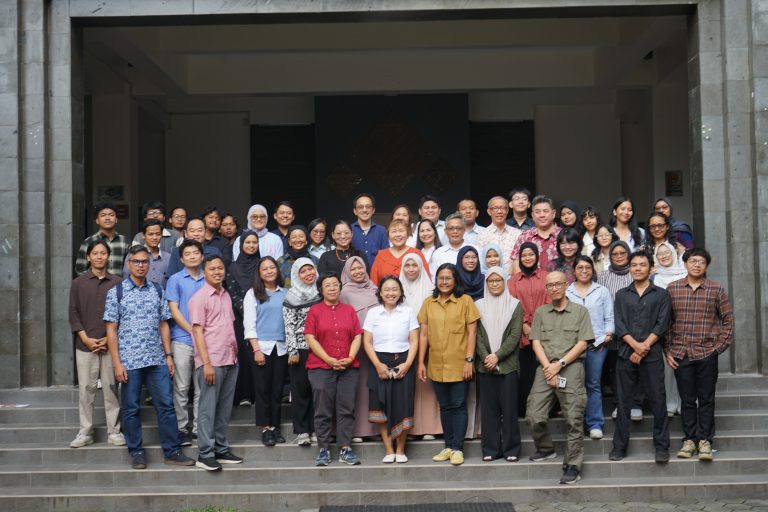
The seminar brought together academics, graduate students, and early-career researchers from across the region, including 40 participants from Universitas Gadjah Mada, Universitas Negeri Malang, Universitas Kristen Satya Wacana, and Universitas PGRI Madiun as well as members of the SEA–Japan Committee.
The seminar was situated within a broader recognition of the growing importance of oral history in Southeast Asian studies, particularly in contexts shaped by archival silences, political pressures, and contested historical narratives. Throughout the sessions, participants were encouraged to reflect on how oral history and related approaches, such as social history and “history from below,” can help recover voices and experiences often marginalized in official accounts. At the same time, discussions foregrounded the methodological, ethical, and interpretive challenges of conducting oral history research in politically and socially complex environments.
The structure of the seminar guided participants through both practical and conceptual dimensions of oral history. Sessions covered the full research cycle—from project design and interview preparation to transcription, analysis, preservation, and modes of public presentation—while also interrogating the conceptual framing of “oral history” itself, including its relationship to broader notions of “oralities.” Participants engaged with themes such as interdisciplinarity, co-creation of knowledge, memory, myth, silence, and performance as legitimate epistemic forms. The inclusion of artistic practice through the participation of the Taring Padi collective and their Wayang Beber performance was well received and further expanded understandings of knowledge production beyond conventional academic frameworks.